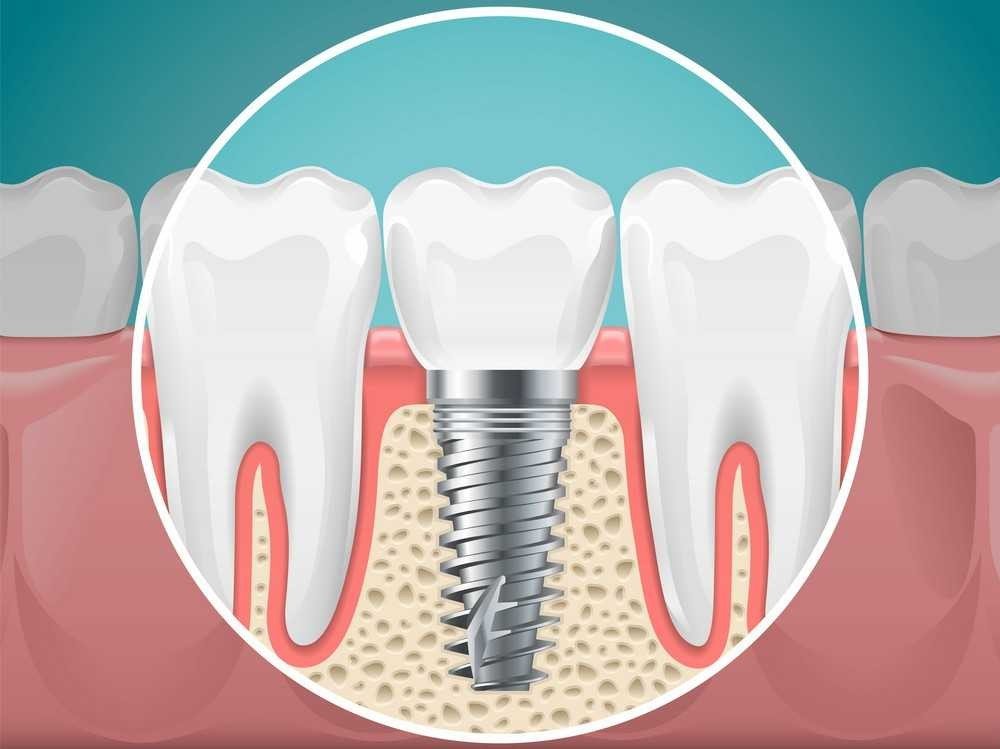
Most people think dental implants are “set it and forget it” titanium screws. They aren’t. While they are the closest thing to natural teeth, they don’t come with a lifetime guarantee by default. Success isn’t just about the surgery; it’s about what happens in your mouth six months later.
If you are looking for an Ottawa dental implant, you should know that the success rate sits comfortably at 95% to 98%. That is incredibly high for any medical procedure. However, that 2% failure usually happens because people treat them like plastic toys rather than living parts of their jaw.
How Long Will Your New Smile Actually Stay?
Think of a dental implant like a high-end car. If you change the oil and drive carefully, it hits 300,000 miles. If you never wash it, it rusts. Generally, the implant post—the part hidden under your gums—can last 25 years or even a lifetime.
The crown on top is different. Because you chew with it every day, it faces wear and tear. You might need to swap the visible tooth part every 10 to 15 years. It’s like replacing the tires on that fancy car while the engine stays perfect.
Can Your Jaw Really “Eat” The Metal?
Here is a surprising facet: your bone actually grows into the metal. This process is called osseointegration. Your jawbone sees the titanium and decides to hug it tight. If your bone density is low, the implant has nothing to hold onto, which is why we check your “foundation” first.
Another shocker? Implants can’t get cavities. You could eat a mountain of candy (please don’t), and the implant wouldn’t decay. But—and here is the kicker, the gums around it can still get sick. If your gums fail, the implant falls out like a tree in a mudslide.
What Makes An Implant Fail Early?
Systemic health plays a huge role. If you have uncontrolled diabetes or you smoke, your body heals much slower. Smoking is like throwing cold water on a fire; it stops the blood flow needed for the bone to fuse with the implant. It’s a leading cause of early rejection.
Oral hygiene is the other big factor. You have to brush and floss your implant just like a real tooth. If bacteria build up, you get “peri-implantitis.” This is a fancy word for a gum infection that eats the bone holding your implant. But what if you feel a sudden ache?
Does It Hurt To Get One Put In?
Most patients tell us the recovery is easier than a tooth extraction. We use local numbing so you feel nothing during the process. Afterward, it feels like a dull throb for a day or two. It’s a gentle process that fixes your smile for the long haul.
If you ever experience a sudden dental crisis or a loose crown, you need an Ottawa emergency dentist immediately. Quick action can often save an implant that is under stress. Taking care of small issues prevents big, expensive problems later. Does that mean everyone is a candidate for this procedure?
The Secret To A Lifetime Guarantee
The third surprising fact? Your bite matters more than the metal. If your teeth don’t line up, you might put too much pressure on the implant when you chew. This “heavy biting” can actually crack the connection over time. We calibrate your bite to ensure total balance.
Consistency is your best friend. Regular checkups allow us to catch tiny shifts before they become failures. We look at the “marriage” between the metal and your bone every time you visit. When you treat your implants with respect, they reward you with a perfect, functional smile that never hides. We at Heron Park Dental, are your partner in lasting smiles
Common Questions About Implants
1. Does getting an Ottawa dental implant hurt?
Not at all. We use local anesthesia to numb the area completely. Most patients describe the feeling as mild pressure, and the recovery is usually very quick and manageable.
2. Can I get an implant if I have bone loss?
Yes, usually. We can often perform a “bone graft” to strengthen the area. This creates a solid foundation so the implant stays secure and healthy for many years.
3. How do I clean my dental implants?
Treat them like natural teeth. Brush twice a day and use a water flosser or specialized floss. Keeping the gums clean is the secret to making them last a lifetime.
4. What is the main cause of implant failure?
Smoking and poor gum hygiene are the top culprits. These issues prevent the bone from healing around the metal or cause infections that loosen the implant’s grip over time.
5. Is there an age limit for dental implants?
As long as your jaw is fully grown and you are in good health, you are a candidate. We help everyone from young adults to seniors regain their confidence.