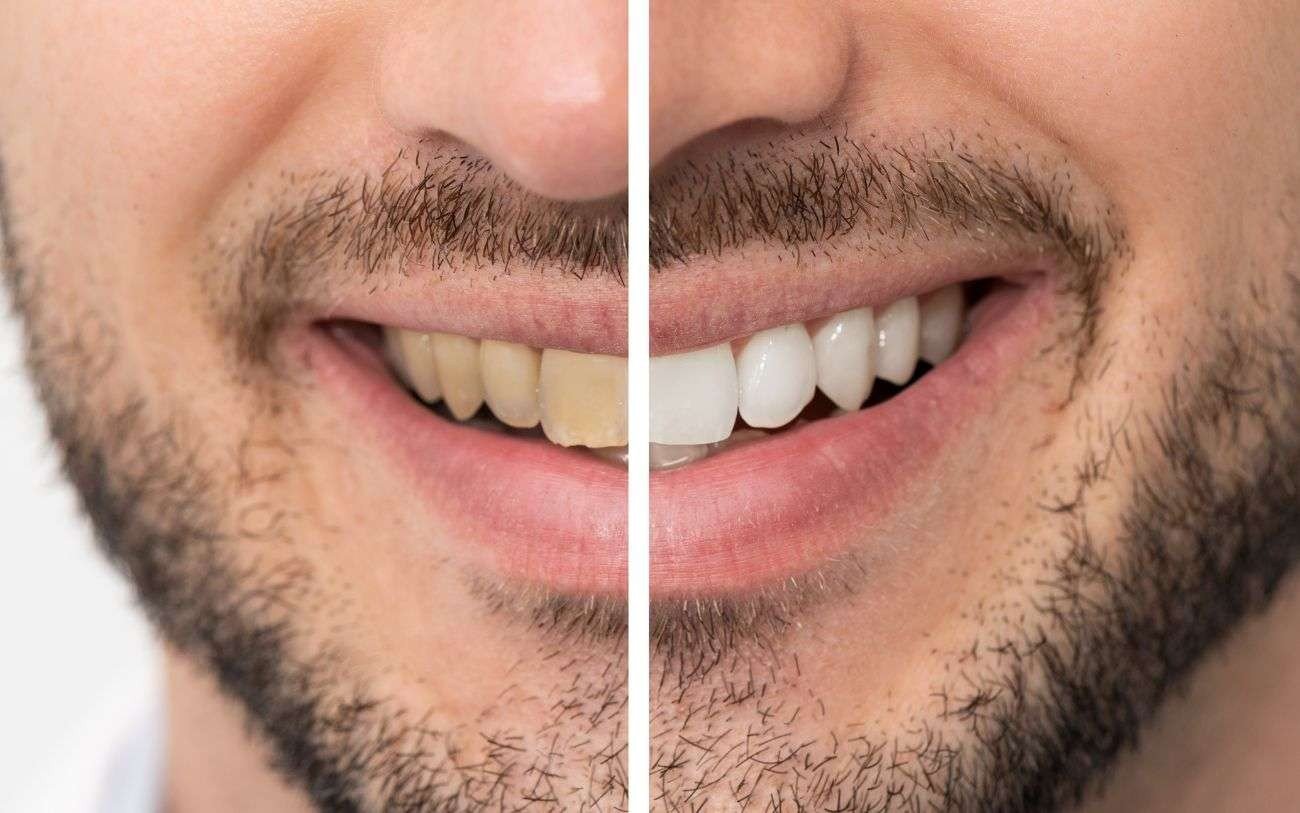
Overview: This blog explains how tobacco stains penetrate enamel and why professional whitening works better than over-the-counter kits. It compares treatment depth, safety, and results. You learn how peroxide breaks stains, why dentist supervision matters, and how to maintain a brighter smile. Ideal for those seeking effective, long-lasting solutions for nicotine discoloration.
You brush every day. You rinse. You try whitening toothpaste. Still, those yellow-brown stains from tobacco refuse to budge. It feels frustrating, right? If you are searching for the best teeth whitening Ottawa, you are likely wondering what actually works for nicotine stains. The truth might surprise you… and it goes deeper than surface cleaning.
Why Do Tobacco Stains Look So Stubborn?
Tobacco stains are not just surface marks. They sink deep into your enamel. Think of enamel like a sponge. Nicotine and tar seep in over time, especially if smoking or chewing is frequent. That is why your teeth turn yellow, then brown, and sometimes even black.
Now here is the catch: surface cleaning only touches the top layer. Most over-the-counter products work at this level. But tobacco stains sit deeper, where basic products struggle to reach.
And this is where things start to change…
How Do Whitening Treatments Actually Work?
Whitening is not magic. It is chemistry. Most treatments use peroxide. This can be hydrogen peroxide or carbamide peroxide. These agents break down stain molecules into smaller pieces. Smaller stains reflect less light. Your teeth start to look whiter.
But here is the interesting part. The strength of peroxide matters. Low strength works slowly. High strength works faster but needs control. That is why professional care becomes important, especially for tobacco stains.
In-Office Whitening vs Over-the-Counter Kits: What’s the Real Difference?
Let’s keep it simple. Both aim to whiten your teeth. But they work very differently.
In-Office Whitening
This is done at a dental clinic. The peroxide strength is much higher. Your dentist protects your gums and controls the process carefully. A special light or heat may be used to boost results.
You see visible changes in one visit. Yes, one.8
And here is the cliffhanger: the deeper stains respond much better here than you might expect…
Over-the-Counter Kits
These include strips, gels, and trays. You can buy them easily. They use lower peroxide levels. This makes them safer for home use but also slower.
They work best for mild stains. If tobacco stains are deep, results can be patchy or limited.
So, if you are comparing both, the difference is not just speed. It is depth of action.
Why Professional Whitening Wins for Nicotine and Tar Stains
Tobacco stains are tricky. They settle in layers. Surface, mid-layer, and sometimes deeper. Professional whitening targets multiple layers in one controlled session.
Also, your dentist can adjust the treatment. Not all stains are the same. Some areas may need more focus. Some teeth may react differently.
An over-the-counter kit cannot customize like this. It is like using one key for every lock. Sometimes it works. Often, it does not.
Expert Insight You Should Know
A senior cosmetic dentist explains it clearly:
“Nicotine stains bond tightly with enamel proteins. Professional whitening breaks this bond safely, which is why results are more predictable and longer lasting.”
That means you are not just bleaching teeth. You are reversing a chemical attachment.
Is It Safe for Your Teeth and Gums?
Safety matters. Strong whitening agents can irritate gums if used incorrectly. This is common with unsupervised use.
In a dental setting, your gums are protected. The gel is applied with precision. Exposure time is controlled.
This reduces sensitivity and avoids damage. It also makes results more even and natural-looking.
How Long Do Results Last for Tobacco Users?
Here comes the second cliffhanger: whitening is not permanent… but it can last longer than you think.
If you continue using tobacco, stains will return. That is expected. But with good care, results can last months or even longer.
Simple habits help. Rinse after smoking. Use a straw for staining drinks. Maintain regular cleanings. These small steps slow down stain build-up.
Can You Combine Both Methods for Better Results?
Yes, and this is often overlooked. A professional treatment can give you a strong starting point. After that, mild at-home kits can help maintain the brightness.
This approach saves time and cost. It also keeps your smile consistent.
If you are searching for the best teeth whitening Ottawa, this combined method is often suggested for long-term care.
What About Cost and Accessibility?
Professional whitening costs more upfront. But it works faster and deeper. Over time, repeated use of OTC kits may cost similar without giving the same results.
Also, if you are eligible under programs, a CDCP dentist may guide you on affordable treatment options. It is worth asking during your visit.
When Should You Choose Professional Whitening?
Go for in-office whitening if:
- Your stains are dark or long-standing
- You want quick results
- You have sensitive teeth and need supervision
- You want even and predictable whitening
If your stains are mild and recent, OTC kits can still help. But for tobacco stains, professional care is often the smarter choice.
Conclusion
Tobacco stains do not play fair. They go deeper, stick harder, and resist basic care. Professional whitening works because it targets the root of the problem, not just the surface. You get faster, safer, and longer-lasting results.
At Heron Park Dental, we focus on gentle care, real results, and a plan that fits your smile and your budget.
FAQs
1. Does professional whitening remove all tobacco stains?
It removes most deep stains effectively. Very old or severe discoloration may need additional treatments like veneers or bonding for full correction.
2. Is whitening painful for smokers?
You may feel mild sensitivity. Dentists manage this with protective gels and controlled application, making the process comfortable.
3. How many sessions are needed for tobacco stains?
Many patients see results in one session. Severe stains may need follow-ups or combined at-home maintenance.
4. Can I smoke after whitening treatment?
It is best to avoid smoking for at least 48 hours. This helps your teeth stabilize and prevents immediate re-staining.
5. Are whitening results permanent?
No. Results fade over time, especially with tobacco use. Regular maintenance and good habits help extend the effect.