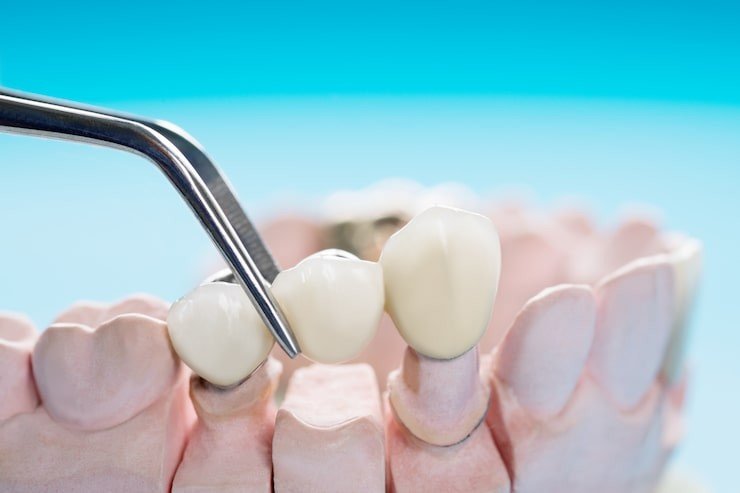
Summary: This guide explains the four main types of dental bridges—traditional, cantilever, Maryland, and implant-supported. It covers their best uses, advantages, and how each restores your smile and bite. Readers gain clear, practical knowledge to choose the right solution with their dentist for lasting oral health.
Missing a tooth and unsure which replacement option fits your smile best? Dental bridges restore your ability to chew, speak clearly, and smile with confidence. They literally bridge the gap left by missing teeth. Many patients in Ottawa discover that the right crown bridge dental choice depends on their specific needs, budget, and oral health. This guide walks you through the four most popular types so you can make an informed decision.
Why Choose a Dental Bridge?
Missing teeth create more problems than just a gap in your smile. Nearby teeth can shift, bite alignment changes, and chewing becomes harder. Bridges solve these issues by anchoring artificial teeth (pontics) to stable supports. You regain function quickly with options that look natural. Families, busy parents, and seniors especially appreciate solutions that feel comfortable and last for years with proper care.
Traditional Bridges: The Time-Tested Standard
Traditional bridges work well when you have healthy teeth on both sides of the gap. Dentists place crowns on those neighboring teeth and attach a false tooth in between.
This type offers strong support and distributes chewing forces evenly. It suits the back of the mouth where biting pressure runs high. The process involves two visits: preparation of the anchor teeth and final placement of the bridge. Many patients love how seamlessly it blends with their natural teeth.
Cantilever Bridges: Perfect for One-Sided Support
Cantilever bridges attach to just one adjacent tooth instead of two. They shine in areas with less chewing force, such as the front or side of your mouth.
You benefit from minimal preparation on only one neighboring tooth. This preserves more of your healthy structure. However, dentists recommend them carefully because the single anchor bears extra load. They work great when you cannot use the other side due to existing dental work.
Maryland Bridges: The Conservative Option
Maryland bridges, also called resin-bonded bridges, use metal or ceramic wings bonded to the back of adjacent teeth. No heavy crown preparation is needed on those supports.
This approach keeps more of your natural tooth enamel intact. It fits beautifully in the front of the mouth for cosmetic improvements. Many younger patients and those wanting gentler procedures prefer this type. The wings stay hidden, so your smile looks completely natural from the front.
The holistic dentists Ottawa often discuss these options because they focus on preserving as much natural tooth as possible while maintaining overall oral health.
Implant-Supported Bridges: The Long-Term Powerhouse
Implant-supported bridges anchor to titanium posts surgically placed in your jawbone. These act like artificial roots and provide the most stable foundation. With a crown bridge dental a host of such issues can be solved.
They prevent bone loss that normally happens after tooth extraction. You enjoy the strongest bite force and longest-lasting results among bridge types. This choice works wonderfully for multiple missing teeth or when adjacent teeth are weak. Though it takes longer initially, many patients say the natural feel and durability make it worth the investment.
Quick Comparison of Dental Bridge Types
| Bridge Type | Best Location | Pros | Ideal For | Longevity Expectation |
| Traditional | Back of mouth | Strong support, natural look | Multiple gaps, healthy anchors | 10+ years |
| Cantilever | Front or side | Less tooth preparation | One-sided gaps | 5-10 years |
| Maryland | Front teeth | Minimal enamel removal | Cosmetic fixes, younger patients | 5-15 years |
| Implant-Supported | Any area | Prevents bone loss, very stable | Multiple teeth, long-term needs | 15+ years |
This table helps you see options at a glance. Your dentist will examine your mouth to recommend the best fit.
Each type solves the core problem of missing teeth differently. Traditional bridges give reliable strength when neighbors are solid. Cantilever bridges save time and tooth structure on one side. Maryland bridges offer a gentle approach for visible areas. Implant-supported bridges deliver superior stability and bone protection for the future.
You also gain practical benefits beyond looks. Better chewing prevents digestive strain. Clear speech returns naturally. Confidence grows when you smile freely again. Families notice grandparents eating comfortably at dinner. Parents feel good modeling excellent dental care for kids.
Caring for Your New Bridge
Daily brushing and flossing around your bridge keeps it clean. Use a water flosser or special floss threaders to reach underneath the pontic. Regular check-ups catch any issues early. Avoid hard candies or ice that could stress the materials. With good habits, your bridge serves you reliably for many years.
Small lifestyle tweaks make a big difference. Cut back on sugary snacks that harm surrounding teeth. Wear a night guard if you grind your teeth. These steps protect your investment and support overall mouth health.
Choosing What’s Right for You
Your choice depends on several personal factors. How many teeth are missing? What is your jawbone health? Do you prefer quicker results or maximum longevity? Cost and insurance coverage also play roles.
A thorough exam reveals the smartest path forward. Gentle techniques and modern materials make every option more comfortable than ever before. You deserve care that fits your life, budget, and goals.
At Heron Park Dental, we guide families and individuals through these decisions with clear explanations and personalized plans. Call us at 613-680-3310 or email info@heronparkdental.com to schedule your consultation today and take the next step toward a complete, confident smile.
FAQs
How long does it take to get a dental bridge?
Most traditional or Maryland bridges need two appointments over a couple of weeks. Implant-supported bridges take several months due to healing time.
Are dental bridges painful?
Modern techniques use strong numbing so you stay comfortable. Mild soreness after placement usually fades quickly with over-the-counter relief.
Can I eat normally with a bridge?
Yes. Start with soft foods, then enjoy most meals once adjusted. Avoid extremely sticky or hard items to protect the bridge.
How much do dental bridges cost?
Costs vary by type and materials. Many insurance plans help cover them. We discuss affordable options during your visit.
Do bridges look natural?
Absolutely. Skilled dentists match color, shape, and texture perfectly so most people cannot tell the difference.