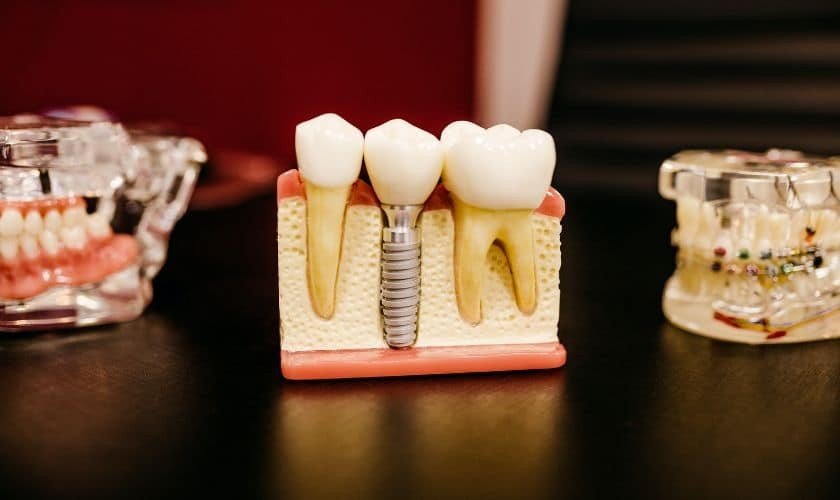
A dental implant is a tiny, medical-grade titanium screw that acts like a fake tooth root. We place it directly into your jawbone to hold a beautiful, new crown. If you are looking for dental implants Ottawa Ontario, you might wonder if your diabetes changes things. It is a smart question. Your health matters most to us.
How Does Diabetes Affect Your Body’s Ability to Heal?
Diabetes changes how your body fixes itself. When your blood sugar stays high, it slows down your circulation. Think of your blood like a delivery truck. If the truck moves slowly, your gums don’t get the “repair kits” they need quickly enough. This is a primary concern for any quality dental care Ottawa professional.
Healing is the most important part of getting an implant. Your jawbone needs to grow and hug that new titanium post tightly. If your body is slow to respond, the bond might not be strong. It’s like trying to glue two pieces of wood together in the freezing cold. Sometimes, the bond just doesn’t take hold the way we want.
Can High Blood Sugar Increase Your Risk of Infection?
Yes, it certainly can. Bacteria love sugar just as much as we do. When your glucose is high, your saliva becomes a sweet treat for germs. These germs can crowd around your new implant before the skin has a chance to close up. This leads to redness, swelling, or even the implant failing.
We watch this very closely during your visit. If your mouth is too “sweet,” the bad bacteria can take over. This is why we focus so much on your daily habits. But wait, what happens if we find a problem right before we start? There is a hidden factor that many patients don’t realize could stop the process entirely.
What Is the Secret Number for Implant Success?
We look at your HbA1c score. This isn’t just a daily finger prick. It is a three-month average of your blood sugar. If this number is under 7%, you are usually in the clear. If it is higher, your body might struggle to keep the implant safe. We want your numbers to be steady.
High success rates for dental implants Ottawa Ontario depend on this stability. If your A1c is too high, we might suggest waiting a few months. We want you to have a tooth that lasts for twenty years, not twenty days. It is all about timing your treatment with your body’s peak health.
Why Is “Bone-Bonding” Harder for Diabetic Patients?
The medical term is osseointegration. It sounds fancy, but it just means your bone is making friends with the metal. For people with diabetes, the bone cells can sometimes be a bit “sleepy.” They don’t always move toward the implant as fast as they should. This can make the process take a bit longer.
Usually, an implant takes a few months to settle. For a diabetic patient, we might wait an extra month or two just to be safe. We are being extra careful because we want your smile to be rock-solid. Imagine building a house on wet sand versus solid rock. We are always aiming for the rock.
Are There Specific Risks You Should Know About?
One risk is called peri-implantitis. It is basically a very grumpy form of gum disease that happens right around the implant. Because diabetes affects your immune system, your body might not fight off this gum trouble as well as it used to. This is why keeping your sugar levels flat is so vital.
But here is the real kicker: what happens if you have “silent” diabetes you don’t even know about? Many people walking around Ottawa have high sugar and have no idea of the same. We often see the signs in the mouth first! It makes you wonder—could your dental health be the first warning sign for your whole body?
How Can You Prepare for a Successful Procedure?
The best thing you can do is work with your doctor. Make sure your diet is on point and your medicine is working well. When your body is happy, your mouth is happy. We will also give you a special cleaning plan to follow at home. It’s a team effort between you and us.
We might also use special tiny tools and gentle techniques. This helps keep the “wound” as small as possible so your body has less work to do. We prioritize your comfort and safety every step of the way. Getting dental implants Ottawa Ontario is a big deal, and we treat it with the respect it deserves.
Is the Long-Term Result Worth the Extra Care?
Absolutely. Having a full set of teeth helps you chew better, which actually helps you manage your diabetes! When you can eat crunchy vegetables and healthy proteins easily, your nutrition improves. It is a wonderful cycle that helps your whole body stay strong. You deserve a smile that works for you.
Last Note
Don’t let a health condition hold back your confidence. If you want a team that understands the nuance of systemic health and oral care, we are ready to chat. Let’s look at your health history together and build a plan that keeps you safe and smiling. Reach out to Heron Park Dental today to book your gentle consultation.
Common Questions About Implants & Diabetes
1. Is the surgery more painful for diabetics?
No, the procedure feels the same! We use gentle freezing so you don’t feel a thing. The only difference is that your “soreness” might last a day or two longer.
2. Can I get implants if I use insulin?
Yes! Type 1 and Type 2 patients can both get implants. As long as your sugar levels are stable and managed, you are likely a great candidate for the procedure.
3. What if my A1c is currently 8.5%?
We would likely ask you to work with your doctor to bring that number down first. It’s all about making sure your body is ready to heal perfectly.
4. Do I need extra appointments?
Sometimes. We like to see our diabetic patients a little more often during the first few months. This lets us catch any tiny issues before they become big problems.
5. Will my insurance cover the extra care?
Most insurance plans treat the implant the same way. We can help you check your specific plan to see what is covered before we ever start.