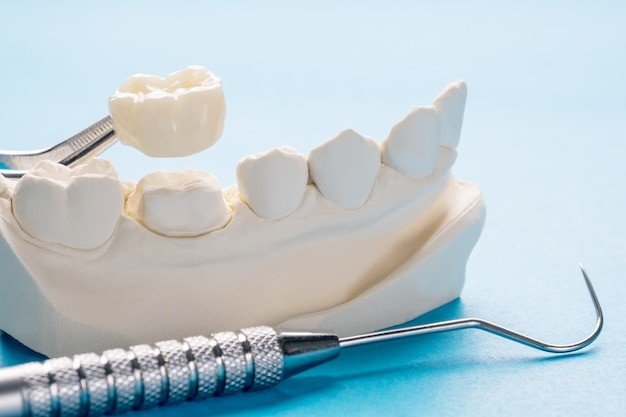
On a fine morning – waking up, taking a sip of your morning coffee, and feeling a sharp, zapping pain right in your “fixed” tooth. It’s frustrating! Because you invested time and money into your smile! Whether you have a dental bridge crown or a single cap, these restorations are supposed to feel like natural parts of your mouth.
Why Does My New Tooth Feel Strange?
It is normal to feel a bit of “newness” for a few days. Your tongue is a detective; it will poke at any change in your mouth until it gets used to the shape. However, if that strange feeling turns into a persistent throb, your bite might be off by a hair. Even a tiny misalignment can cause huge headaches—literally.
If your teeth don’t mesh together like a perfect zipper, the pressure goes straight into the root. This “high spot” can make your tooth bruised and tender. Think of it like a small pebble in your shoe; it doesn’t seem like much until you’ve walked a mile. But what happens if the problem isn’t the fit, but what’s hiding underneath?
The Stealthy Problems Under the Surface
Most people think a crowned tooth is “invincible” since the top is porcelain or metal. That is a common myth. The natural tooth structure underneath is still very much alive and susceptible to issues. If the seal isn’t perfect, bacteria can sneak inside like a tiny uninvited guest at a dinner party.
- Hidden Decay: Cavities can still form at the “margin” where the cap meets the gum line.
- Gum Irritation: If the fit is too snug or deep, your gums might get red and angry.
- Recession: Gums can pull away, exposing the dark edge of the restoration.
- Sensitivity: Hot or cold drinks might start to “sting” if the cement wears down.
Is Your Bridge Getting Wobbly?
A bridge relies on “anchor” teeth to hold the gap-filler in place. If one side starts to lift, the whole structure becomes a see-saw. This often happens because the cement washes out or the support teeth get weak. You might notice a weird taste or a clicking sound when you chew.
Left alone, a loose dental bridge crown becomes a trap for food and plaque. This creates a breeding ground for infection that can spread to your jawbone. You don’t want to wait until the bridge falls out during a fancy dinner! But how do you know if it’s an emergency or just a simple adjustment?
When to Call the Professionals
You should reach out if you feel any movement, persistent pain, or if your gums bleed every time you brush that area. Often, a quick “tune-up” or a professional cleaning is all you need to get things back on track. We specialize in making these fixes gentle and stress-free for families throughout Ottawa.
Beyond repairs, many of our patients look for ways to make their entire smile glow. If you are planning a makeover, you might consider teeth whitening Ottawa services before getting new porcelain work. Since crowns don’t change color with bleach, whitening your natural teeth first ensures your new bridge matches your brightest possible smile.
Preventing the “Bridge Blues”
Taking care of your dental work isn’t rocket science, but it does require some special tools. Use a “bridge threader” or a water flosser to get under the floating tooth. This keeps the foundation strong. Avoid chewing on ice or hard candy, which can crack even the strongest ceramic materials.
At Heron Park Dental, we focus on catching these tiny cracks before they turn into big bills. We believe in personalized care that treats you like a person, not just a chart. If your dental work feels “off,” let us take a look. We can usually smooth things out in one short visit, keeping your smile healthy and your budget intact.
Common Questions About Crowns and Bridges
1. Can a crown fall off?
Yes, if the cement fails or the tooth underneath decays, it can come loose. If this happens, keep the crown safe and call us immediately for a re-cement.
2. Why is my crown sensitive to cold?
This often happens if the gum line has receded, exposing the root. It could also mean the “nerve” inside the tooth is slightly inflamed and needs a quick check.
3. How long should a bridge last?
With good brushing and flossing, a bridge usually lasts 5 to 15 years. Regular check-ups help us spot wear and tear early to extend its lifespan significantly.
4. Can you fix a chipped porcelain bridge?
Small chips can often be smoothed over or repaired with composite resin. However, if the chip is large or affects your bite, we might need to replace it.
5. Does getting a bridge hurt?
The process is very similar to a filling. We use local numbing to ensure you are comfortable. Most patients feel only slight pressure during the actual procedure.